People, Culture and Early History
The Mwani People
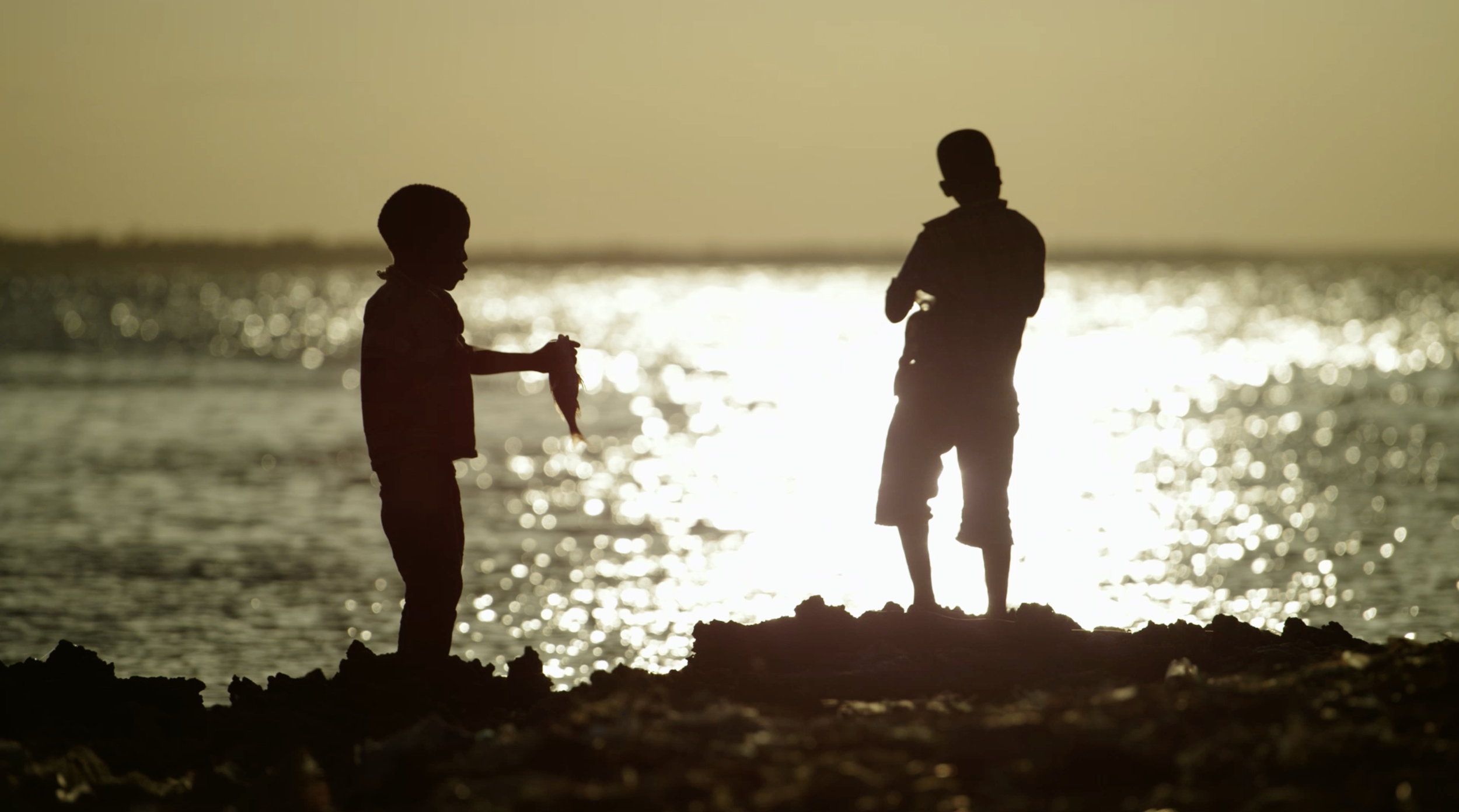
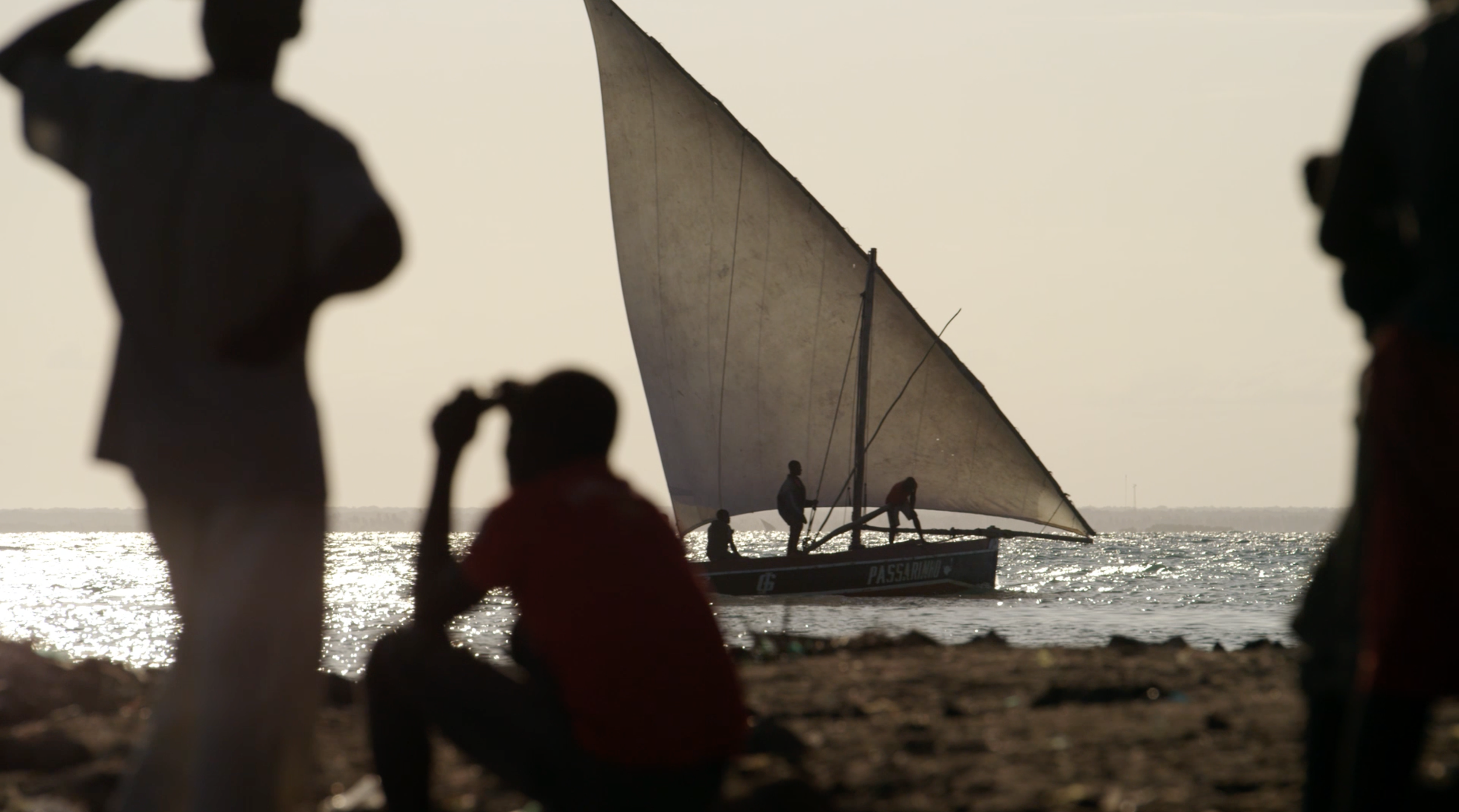
Vamizi lies in the region of the Mwani people. Their native tongue, Kimwani, from whence the meaning of their name Mwani or “people of the coast” derives, is the main language spoken on the island rather than Portuguese, the official language of Mozambique.
The island, historically known as Amisa, has a majority Muslim population. From the 10th century onwards the people living along the East African coastline converted to Islam, partly to avoid enslavement by Arab traders.
Cabo Delgado and the Portuguese Era
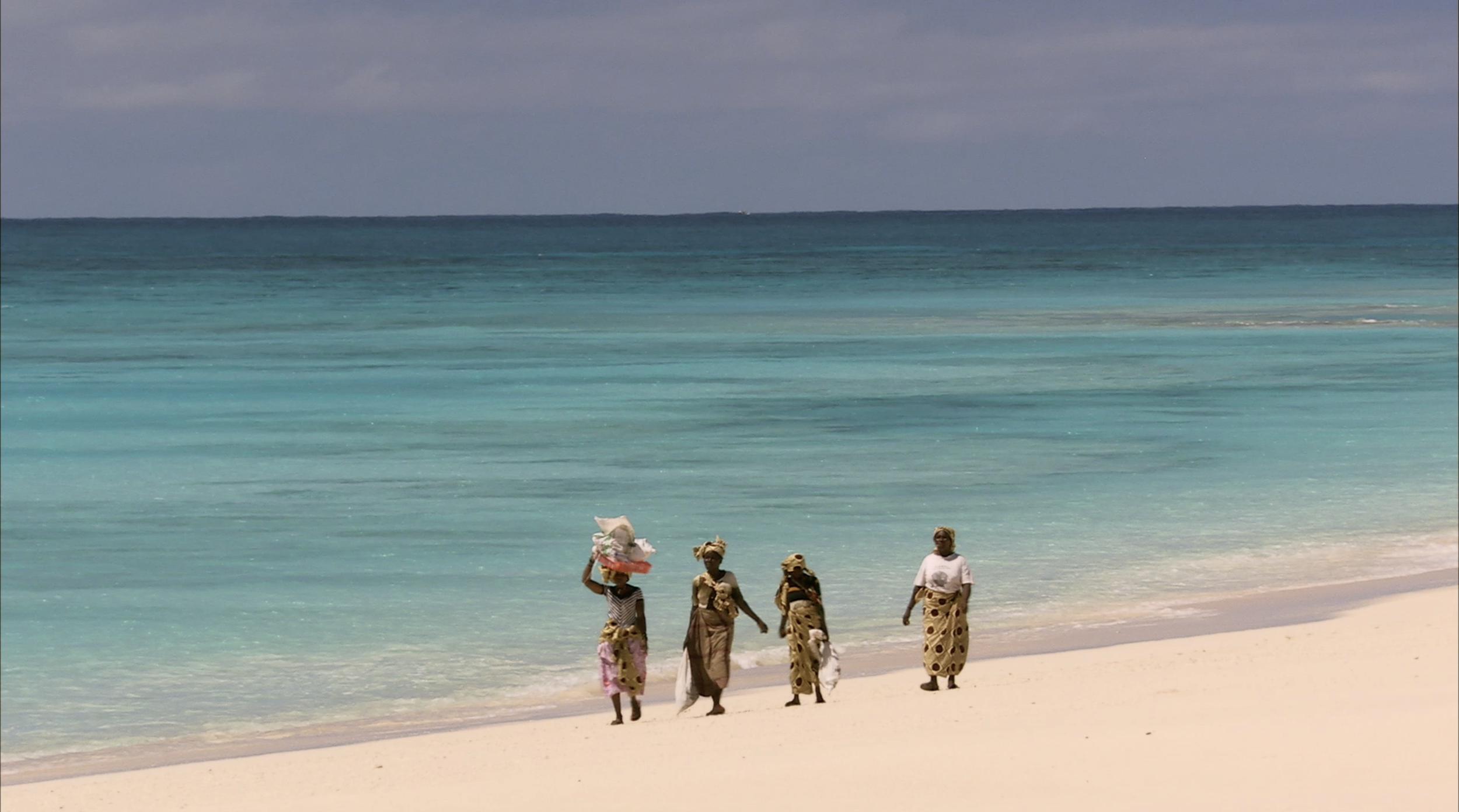
By the early 16th century, the Quirimbas Islands had already been recognized as being an important centre of independent Muslim trade. The Quirimbas also had a prolific weaving industry producing Maluane cloth made of indigo dyed silk and cotton, which was highly prized. Ivory, gold, amber, turtle shell and jet had also always been among the commodities traded on these islands, as well as the trade in slaves.
Towards the end of the 16th century, European, Asian and Arab traders’ activities and the hostilities between them over trading rights led to the official demarcation of the Province of Cabo Delgado, creating one of Africa’s first modern frontiers.
The entire region, including parts of the mainland, was one of the most productive and important suppliers of food to the south, and in particular to Ilha de Mozambique, the centre of power in Mozambique.
Allegiances of the island governors had always been to the North, to Kilwa and Zanzibar for example, but by 1593 a division of captaincy firmly linked Cabo Delgado to Mozambique and Sofala.
In the eighteenth century the majority of the islands were in Portuguese hands; the islands formed an isolated community, and, in practice, each island was like a little republic, dependent on its household slaves and trade with the mainland.
Population Growth and Modern Community
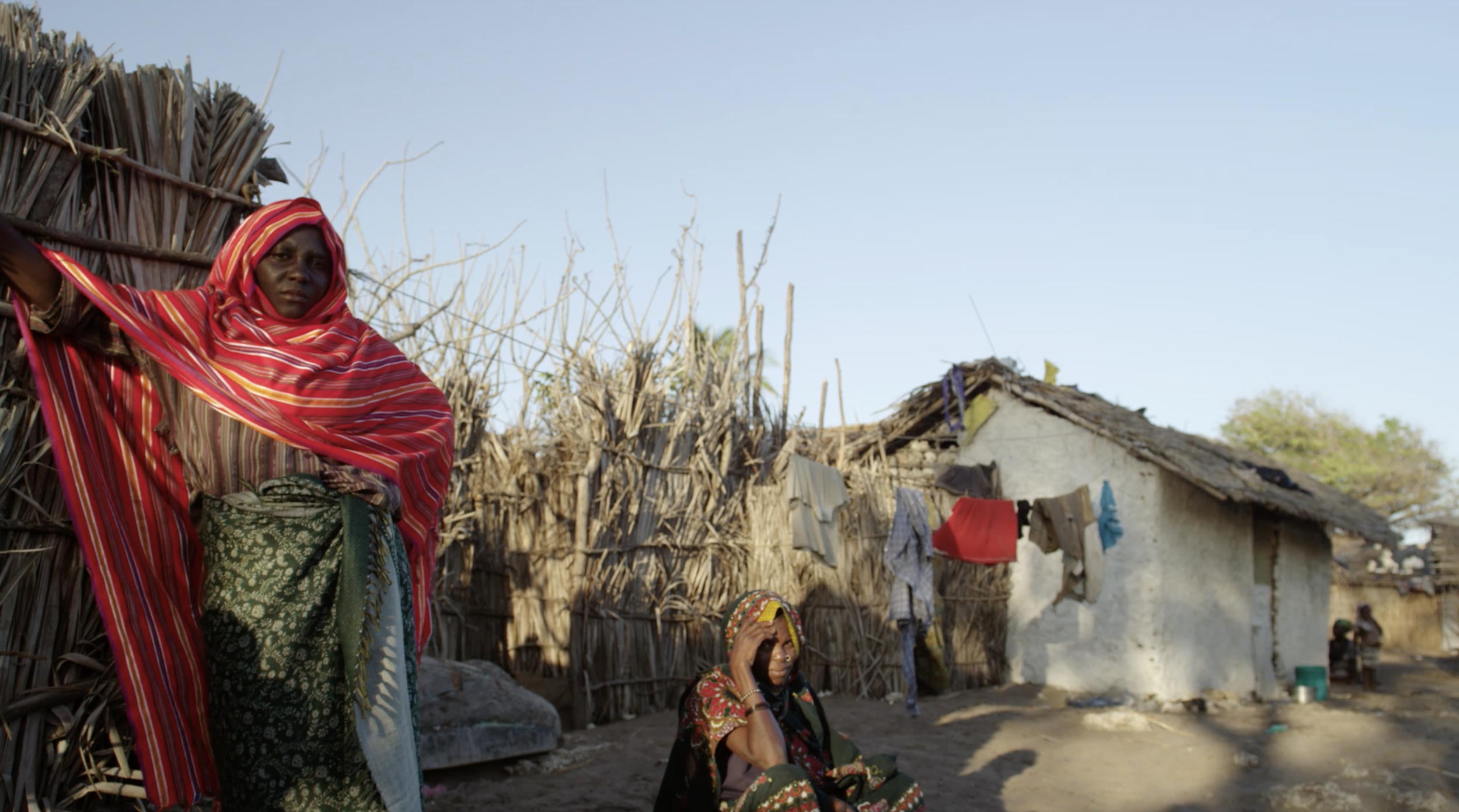
During the civil war of 1977-1992, a number of people from the mainland fled to the island, increasing the island’s small population. Today, there are around 2,500 permanent inhabitants of whom about 30% are children. The majority are Islamic (95%), and a small number are Catholic (4%) or followers of other beliefs (1%).
Most of Vamizi’s historic remnants are relics from the Portuguese era, estimated to be from the late 16th and early 17th century, including a Catholic church with Romanesque features, a fort, and a well. The lighthouse at the Eastern tip of the island was built at the start of the 20th century and shows an early example of the use in construction of reinforced concrete.
Marine protection with friends of vamizi
Over the course of several years, a group of families of both European and Mozambican origin came together to form the Friends of Vamizi. These visionaries aspire to continue gathering like-minded supporters and advocates.
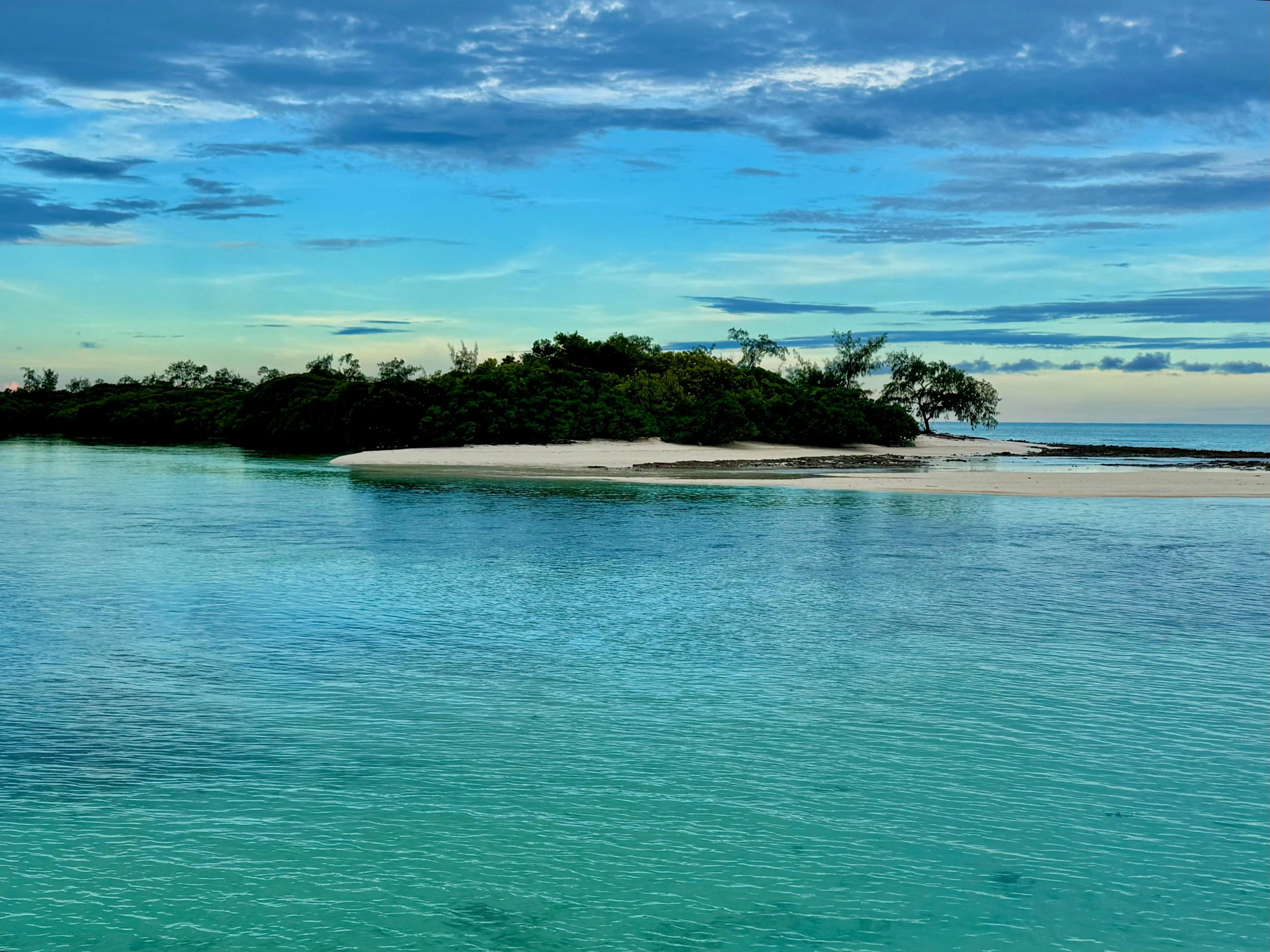
The original Maluane Project was established in 2003 in partnership with the Conselho Comunitário de Pesca (CCP), the local fishing council. Its aim was to combine wildlife conservation, community development and tourism while protecting the valuable marine ecosystems surrounding Vamizi Island in the Quirimbas Archipelago. A three-mile no-take zone was created to safeguard the island’s coral reefs and marine life.
Today, this area is an officially designated Marine Protected Area (MPA, or APA in Mozambique) and has been recognised by the Wildlife Conservation Society (WCS) as a Key Biodiversity Area (KBA). The Quirimbas was also designated East Africa’s first Hope Spot by Mission Blue, founded by Sylvia Earle. Sea rangers work alongside the CCP to monitor and protect these waters from illegal fishing.
The development of Vamizi Island was an extraordinary undertaking. There was no fresh water available on the island, no reasonable access beyond small local wooden boats, and no roads other than rough tracks cut through the bush.
Despite these adverse conditions and logistical challenges, Vamizi Island opened its Research Centre and, in 2005, its Lodge, which was inaugurated by Nelson Mandela and Graça Machel.
After more than two decades of dedicated effort, Vamizi Island is home to the Vamizi Marine Conservation Research Centre, a team of community workers supported by its charitable Trust, a private runway, a network of roads, solar power and water-generation facilities, and a Private Villa Collection.
Building Vamizi Island
Expanding Conservation for the Future
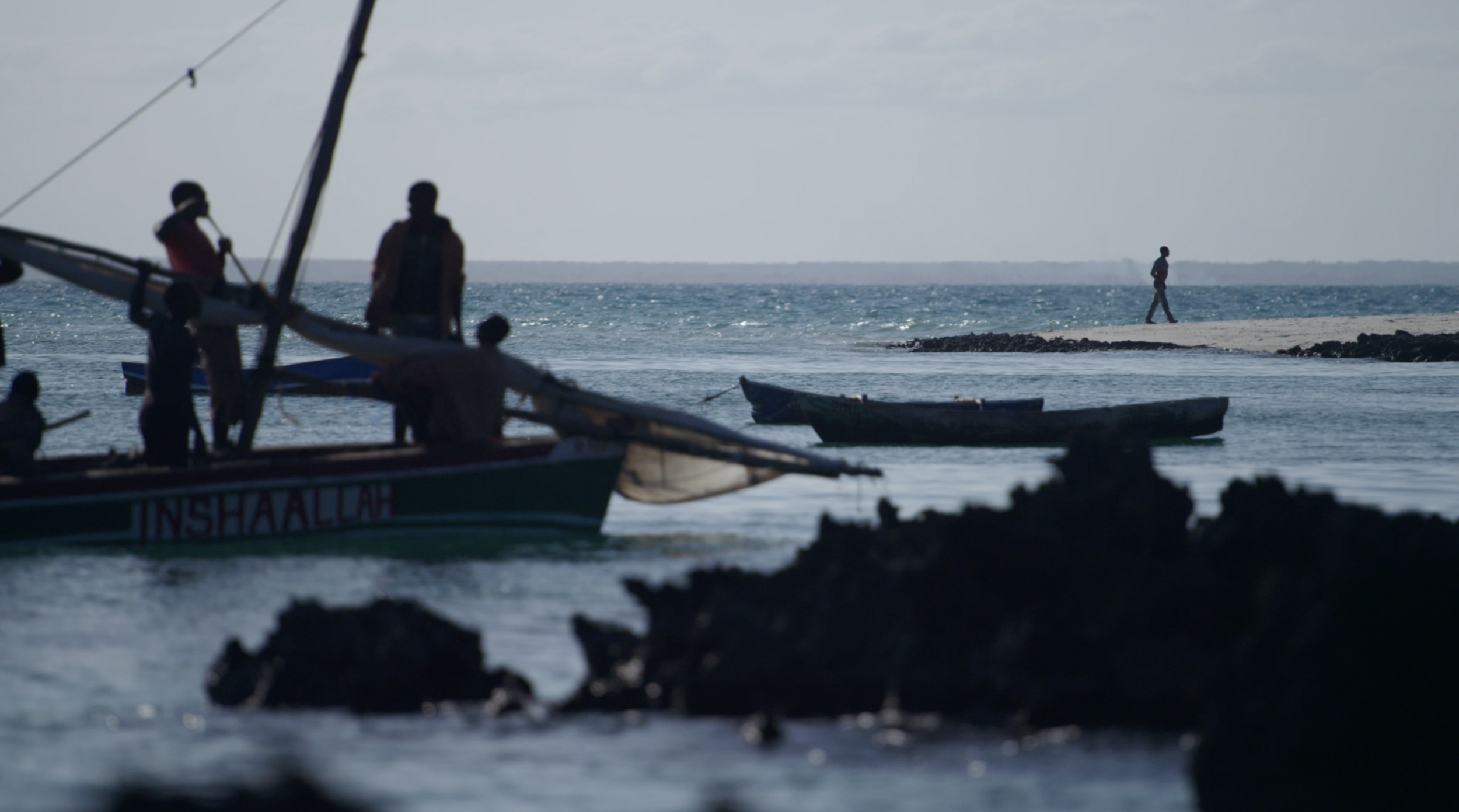
Conservation efforts continue to expand. Work is underway with local communities to extend the Marine Protected Area to additional islands in the northern Quirimbas, creating new no-take zones and protecting more reefs. The marine area between Vamizi and Metundo islands has also been recognised by the International Union for Conservation of Nature (IUCN) as an Important Shark and Ray Area (ISRA) due to its resident populations of grey reef sharks and juvenile blacktip reef sharks.
As one donor to the project observed:
“VAMIZI ISLAND IS WHERE WE STILL HAVE A CHANCE TO MAKE A DIFFERENCE. ONCE YOU’VE SEEN VAMIZI YOU BECOME OBSESSED WITH SAVING IT.”
It is the mission and hope of the Friends of Vamizi, strengthened through partnership with Fundação Quirimbas, that Vamizi Island and its surrounding environment will remain unspoilt and beautiful for generations to come.